

The company’s current ratio of 0.4 indicates an inadequate degree of liquidity, with only $0.40 of current assets available to cover every $1 of current liabilities. But financial leverage appears to be at comfortable levels, with debt at only 25% of equity and only 13% of assets financed by debt. Solvency and liquidity are both terms that refer to an enterprise’s state of financial health, but with some notable differences. Solvency refers to an enterprise’s capacity to meet its long-term financial commitments.
Everything to Run Your Business

Solvency risk is the risk that the business cannot meet its financial obligations as they come due for full Retail Accounting value even after disposal of its assets. A business that is completely insolvent is unable to pay its debts and will be forced into bankruptcy. Investors should examine all the financial statements of a company to make certain the business is solvent as well as profitable. These ratios measure the ability of the business to pay off its long-term debts and interest on debts.
- A rising debt-to-equity ratio implies higher interest expenses, and beyond a certain point, it may affect a company’s credit rating, making it more expensive to raise more debt.
- Perhaps you’ve come across these terms while assessing investments or managing a business’s books, and find yourself scratching your head over their meanings.
- The ease with which an asset can be converted into cash quickly and at a minimal discount is also considered while estimating liquidity.
- The debt-to-equity ratio, for example, evaluates the proportion of debt relative to shareholders’ equity.
- The current ratio, calculated by dividing current assets by current liabilities, shows a company’s ability to cover short-term obligations with its short-term assets.
- Cash flow analysis shows if there’s enough money coming in to keep things running day-to-day.
Common Liquidity Ratios
Financial management uses solvency to avoid risks that could harm operations. If companies know their ability to pay future bills, they make smarter choices today. Solvency takes a long-term view of your financial health, while liquidity focuses on the short term. While solvency relates to your ability to pay debts over time, profitability is about how much money you make in relation to your costs. In broad terms, if you earn more money than it costs you to produce the goods or services you sell, your business is profitable.
- Companies that lack liquidity can be forced into bankruptcy even if it’s solvent.
- Liquidity ratios and solvency ratios are tools investors use to make investment decisions.
- Businesses may establish credit lines or maintain reserves to address potential shortfalls.
- Both attributes are crucial for the overall financial well-being of a business, and they are interconnected in many ways.
How do you use Microsoft Excel to calculate liquidity ratios?
A lower ratio suggests greater reliance on equity, appealing to investors prioritizing stability. The times interest earned ratio further measures a company’s ability to meet interest obligations, directly influencing financing decisions. A solvent company owns more than it owes, with a positive net worth and a manageable debt load. A company with adequate liquidity will have enough cash to pay ongoing bills in the short term. There are key points that should be considered when using solvency and liquidity ratios.
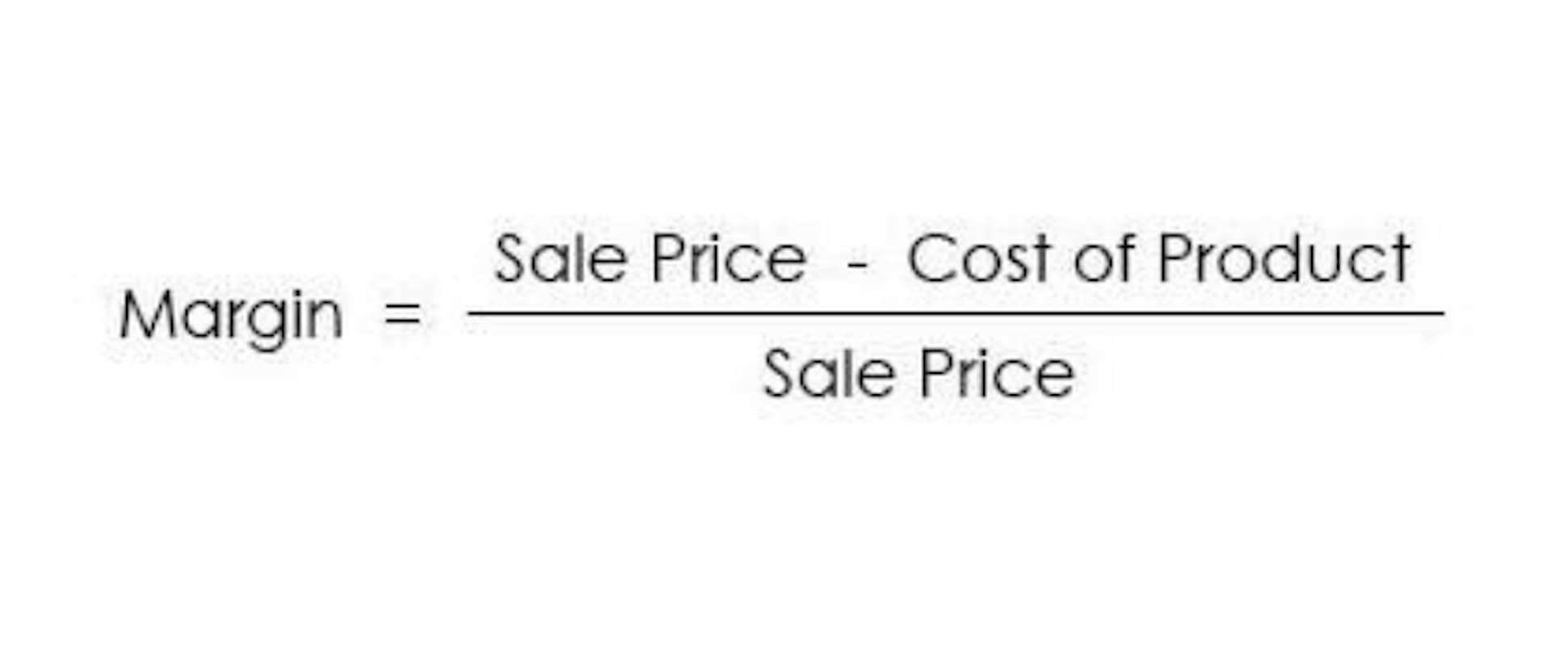
Key Takeaways
Solvency relative to liquidity is the distinction between the long-term focus between a company’s capacity to use its existing assets to deal with its short-term obligations. Solvency means the company’s long-term financial position, which means that the company has good net equity and the potential to meet long-term financial obligations. The times interest earned (TIE) ratio measures a company’s ability to meet interest obligations using operating income. Calculated by dividing earnings before interest and taxes (EBIT) by interest expenses, a higher TIE ratio indicates reduced risk of default. For instance, a TIE ratio of 4 shows the company earns four times its interest obligations, offering a cushion against income fluctuations. Quick access to cash or assets that turn into cash fast shows good liquidity vs solvency liquidity for handling short-term financial obligations without stress.
- If a company has heavy long-term debt compared to what it owns, solvency becomes the big worry.
- Investors can look at all its financial statements to ensure the company is solvent and efficient.
- Regulatory frameworks like Basel III emphasize maintaining adequate capital reserves to ensure solvency.
- It considers the company’s overall financial structure, including its assets, liabilities, and equity, to determine if it has enough resources to cover its long-term debts.
- Liquidity measures how fast a company can turn assets into cash to pay short-term bills.
Perhaps you’ve come across these terms What is bookkeeping while assessing investments or managing a business’s books, and find yourself scratching your head over their meanings. With Xero accounting software, you know exactly what’s happening with your numbers. Maybe you want to scrutinize your daily spending with real-time information, or you need an overview of your long-term solvency based on financial reports. A business with liquidity has enough cash to pay its suppliers and team. This liquidity also protects it against financial difficulties, like periods of low productivity due to illness, changes in market conditions, and unexpected costs. To work out her solvency, she divides 60,000 (50,000 + 10,000) by 300,000, which equals 20%.
- Pay particular attention to negative outliers to check if they are the result of a one-time event or indicate a worsening of the company’s fundamentals.
- Asset coverage ratios help see if a company’s got this part covered well too.
- The best example of such a far-reaching liquidity catastrophe in recent memory is the global credit crunch of 2007–09.
- This route may not be available for a company that is technically insolvent, since a liquidity crisis would exacerbate its financial situation and force it into bankruptcy.
What Does Liquidity Mean in Accounting?
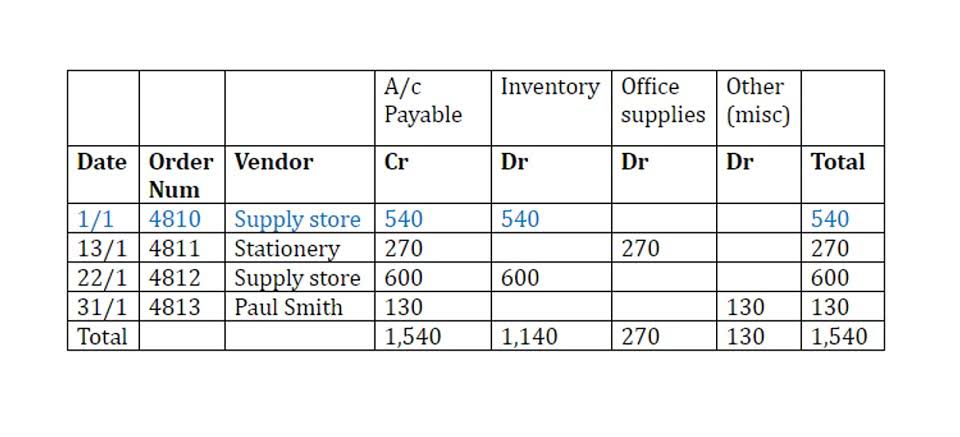
High liquidity ensures that businesses can cover their short-term expenses easily; however, too much might suggest they’re not investing their resources well. Liquidity is different; it’s about having cash ready to pay bills soon. That shop needs enough money coming in from sales or somewhere else to make those payments on time each month. This means they don’t risk going under because of their debts in the future. Both deal with financial health but cover different aspects of a business’s finances.